

Thank you for Subscribing to Auto Business Outlook Weekly Brief

Bentley Motors
Miguel Ocana, Head of Manufacturing Engineer
Planning the Future by Embracing New Technologies
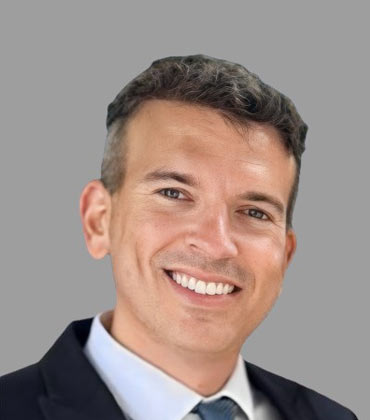
Miguel Ocana
Miguel Ocana is a Senior Manager with a proficiency in manufacturing operations and possesses extensive knowledge in the application of continuous improvement techniques in recognised industry production systems. With several years of experience working in cultures across the globe, he is capable of managing development projects in a multidisciplinary environment.
Miguel Ocana shares his thoughts with Manufacturing Technology Insights Europe about the ongoing trends and challenges in the industry, and how Bentley Motors is navigating the market. How did the Pandemic Disrupt Manufacturing Processes, and What are the Prevalent Challenges in the Industry Today? The manufacturing sector has been encountering several challenges even before the pandemic. In the UK, Brexit had a significant impact on the industry. Following COVID, the war broke out in Ukraine. This is also amplified by rising energy costs, primarily due to the Ukrainian conflict. Such situations constantly influence everything we do in the manufacturing industry. Electrification of the industry coincides with all of these other factors, which is very challenging. We are also approaching a once-in-a-lifetime transition from combustion, petrol, and diesel engines to electric cars. This has resulted in regulatory changes- all aimed at eliminating issues related to climate change. What Measures are taken to Combat the Increased Prices in Automobile Manufacturing? Our most significant advantage is that we are part of a large group, the Volkswagen Group, which gives us access to comprehensive networks and connections, increasing our purchasing power. We leverage the potential of the vast networks within our group to ensure that the best possible deal is secured. Instead of just one scenario, we plan for multiple and formulate plans to prepare for the worst, leading to very effective risk management. The planning process is updated frequently; lessons of the recent crisis are incorporated into each decision as much as possible. How does Bentley Motors go about Ensuring the Success of a Project? In the Volkswagen Group, we follow a structured planning approach developed over time. Defined gateways are adhered to throughout the project lifecycle, ensuring the processes are completed on time. We identify critical paths with a bottleneck and promptly resolve the issue. It is all about having a detailed plan to measure against defined objectives and deliverables. Every stage of the project is outlined and measured, and we act quickly to rectify any deviations before we move on to the following deliverable. Please Provide us with an Overview of the Latest Project you are Working on and the Technologies used to Ensure its Success. Our CEO announced that the company will be fully electric by 2030, which will significantly transform Bentley. We will invest about 2.5 billion dollars internally. We are reinventing our Dream Factory to meet the demand for all-electric Bentleys. And from a company perspective, we plan to make our manufacturing and supply chain carbon-neutral by the end of the decade. The Dream Factory concept is an opportunity and a challenge simultaneously because manufacturing electric cars entails various factors, from cars with internal combustion engines (ICE). Our goal is to harness the power of digital tools. We plan to leverage the advantages of digital twins within the new factory to replicate data stacks, perform extensive simulations and assess changes efficiently.The unique relationship between those who build the cars and those who drive them has helped create an enthralling story unlike any other.
The articles from these contributors are based on their personal expertise and viewpoints, and do not necessarily reflect the opinions of their employers or affiliated organizations.
