
Thank you for Subscribing to Auto Business Outlook Weekly Brief

Yanfeng
Michael Spliedt, Senior Engineering Manager
From Robots to Results: Scaling Manufacturing with People in Mind
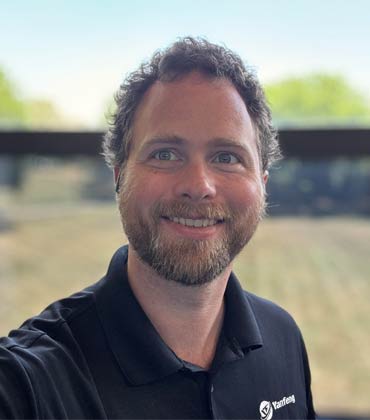
Michael Spliedt
Leading Engineering for Special Processes: Balancing Cost, Complexity, and Cross-Functional Strategy
I work in Special Processes, which handles non-standard manufacturing operations—from custom robotics and lasers to large machines that form, cut, or chemically process parts. As a Tier 1 supplier, just one step removed from the end manufacturer, our team works closely with automotive OEMs to quote new business and determine the lowest-cost methods to manufacture new vehicle components. Our team supports: • Quoting and selling new business • Influencing product designs to improve manufacturability • Defining and quoting requirements for new equipment and tooling • Sourcing cost-competitive quotes for machines and tools • Purchasing and evaluating equipment at the supplier’s facility • Optimizing process flows and CAD layouts • Installing, setting up, and training plant teams to operate the equipment I provide oversight and guidance on timing, budget, documentation, and design. I also help shape strategy to balance workloads and ensure we have the right people in the right place and time. This becomes especially important in a remote work environment, where planning for redundancy and overlap is essential to avoid burnout and maintain project continuity. Breaking Siloed Thinking in Engineering: Passion, Ownership, and Planning Win Every Time Our team works with many SDTs (simultaneous development teams) and interfaces with different business functions regularly. Like many companies, we sometimes face challenges with siloed thinking. What I’ve found helpful is taking ownership with passion—that tends to break down walls. Building relationships outside of work goes a long way, too. We all succeed or fail together. That’s why I believe it’s my responsibility to speak up for what’s right, even if it’s not technically my area. Passion and drive tend to win people over; that mindset helps shift the focus toward shared outcomes. It doesn’t matter what project we’re on or who owns it—we all need to push for the best result for our customers. We also run virtual builds as a standard part of our process. Preparing ahead of time and having a plan B for weak spots helps ensure a smoother and more robust product launch. That kind of preparation brings teams together and builds trust across functions. Balancing Automation and People: Efficiency Starts With Ergonomics Automation is a massive part of the job, but nothing works without people. Safety is first and foremost, but we also focus heavily on operator ergonomics—weight, height, reach, and travel distance. Optimizing how far someone has to walk is essential to their well-being and often leads to better product quality.The best solutions come when people, processes, and technology align around simplicity, safety, and shared goals
The articles from these contributors are based on their personal expertise and viewpoints, and do not necessarily reflect the opinions of their employers or affiliated organizations.
